

Recent reports and documented incidents reveal an increasingly dangerous reality for lesbians and gay people across every ethnic and regional divide in Nigeria. From the North to the South, East to West, accusations of lesbianism or homosexuality have repeatedly resulted in brutal, unlawful killings, mob attacks, and targeted violence, many of which were reported to police authorities before or after the attacks, with little or no protection provided.
What emerges is a nationwide pattern: sexual orientation alone is enough to mark individuals for death, regardless of ethnicity, religion, or location. Lesbian and gay Nigerians now face a pervasive threat environment where violence is normalized, warnings to authorities are ignored, and perpetrators frequently act with impunity.
Nationwide Insecurity and the Weaponization of Anti-Lesbian and Anti-Gay Violence
Across northern Nigeria, ongoing insecurity has intensified hostility toward lesbians and gay people, particularly women accused of lesbianism. Armed conflict, religious extremism, and communal violence throughout 2025 created cover for lethal attacks framed as moral or religious enforcement. Similar patterns have been recorded in southern states, where community mobs, vigilantes, and even family members have carried out assaults and killings after allegations of same-sex relationships.
In many cases, threats against lesbians and gay men were reported to police stations, sometimes days or weeks before the attacks. Despite these warnings, authorities failed to intervene, allowing violence to escalate into killings. Survivors and witnesses describe a climate where reporting abuse often increases danger rather than reduces it.
Southern Nigeria: Mob Justice and the Targeting of Alleged Lesbians
In southern Nigeria, including Edo State, accusations of lesbianism have increasingly been used to justify public violence and mob killings. During unrest in Uromi, Esan South East LGA, in March 2025, multiple victims of mob violence included women accused of being lesbians, who were beaten, tortured, and killed.
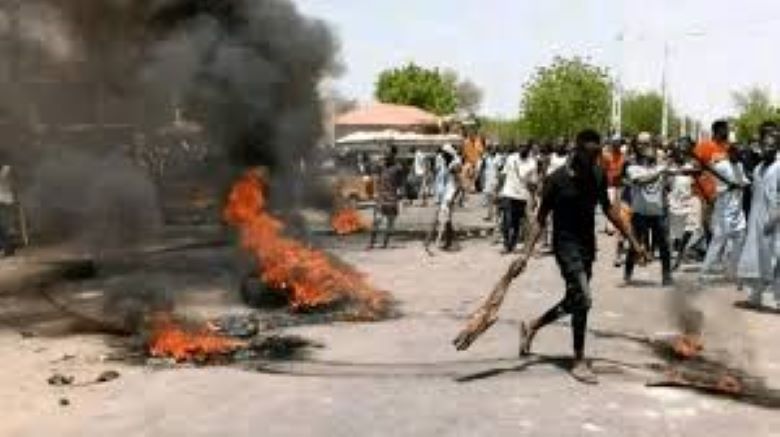
Community members and activists confirm that police were alerted to rising threats against these women, yet no preventive action was taken. The killings demonstrated how quickly accusations of lesbianism can turn into collective violence, and how state failure to respond enables mobs to act as executioners.
Northern Nigeria: Ethnic, Religious, and Sexual-Orientation-Based Killings
In northern Nigeria, lesbians and gay people face an even more acute risk due to the intersection of religious extremism, ethnic exclusion, and criminalisation under Sharia penal codes. Women from Igbo, Yoruba, Hausa, and minority ethnic backgrounds have all been targeted after being labelled lesbians, with reports of raids on homes, forced disappearances, public beatings, and killings.
While some exaggerated claims circulating online have been debunked, numerous individual cases remain verified, with families confirming police reports that were never followed by arrests or prosecutions. The pattern is clear: once someone is accused of being lesbian or gay, their life becomes expendable, and law enforcement often treats the violence as a social or moral issue rather than a crime.
Schools, Communities, and Homes as Sites of Deadly Violence
The threat to lesbians and gay people extends into schools, religious institutions, and private homes. In July 2025, two female students at a boarding school in Kano State were reportedly murdered by fellow students following allegations related to their sexual orientation. Prior intimidation and threats had been reported to authorities, yet no protective measures were implemented before the killings.
Similar cases across Nigeria show that lesbians and gay men are vulnerable not only to strangers, but also to classmates, neighbours, religious leaders, and even family members, with violence ranging from “corrective” assaults to outright murder.
A Country Where Being Lesbian or Gay Is a Death Risk
Nigeria’s legal framework, including the Same-Sex Marriage Prohibition Act and northern Sharia laws, has effectively legitimised violence against lesbians and gay people by criminalising their existence. These laws embolden attackers, silence victims, and discourage police from acting, even when killings are clearly unlawful.
Across Hausa, Igbo, Yoruba, and minority ethnic communities alike, lesbians and gay people now live under constant threat, knowing that an accusation alone can lead to arrest, mob violence, or death—and that reporting danger to the police offers little protection.
Escalating Danger as Nigeria Enters 2026
As Nigeria moves into 2026, the convergence of insecurity, communal violence, and institutional discrimination has made the country one of the most dangerous environments for lesbians and gay people in Africa. The repeated failure to act on police reports of threats and attacks has sent a dangerous message: violence against sexual minorities will go unpunished.
Advocacy groups warn that without urgent action, killings motivated by accusations of lesbianism or homosexuality will continue to spread across all ethnic and regional lines, leaving no part of Nigeria safe for those perceived to be lesbian or gay.


